
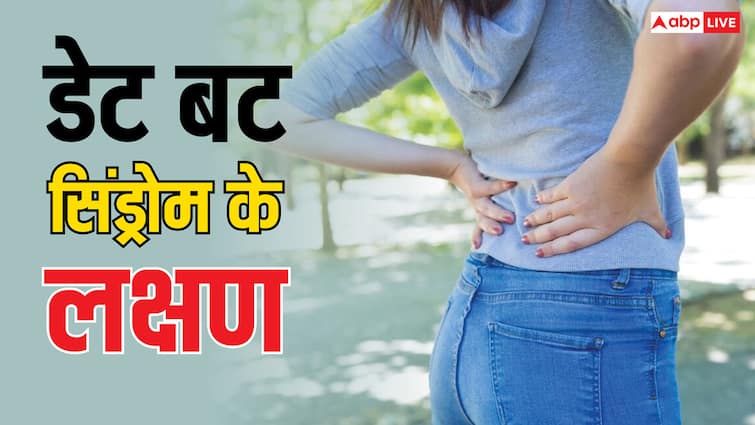

In today’s modern lifestyle, the physical activity of most people has reduced completely. If there are working people, they sit in the office all day. On the other hand, if someone is working from home, then he is sitting at home for long hours. If someone is not going to work, then he is sitting at home with the phone or TV. But do you know that sitting for hours has many dangerous effects on the body. One of them is Dead Butt Syndrome (DBS) or Gluteal Amnesia disease.
This disease directly affects your abdominal muscles. It can cause problems related to your posture and posture. Let us know about its symptoms, causes and prevention methods in detail in this article.
What is Dead Butt Syndrome (DBS)?
Dead butt syndrome, or gluteal amnesia, occurs when the gluteal muscles become weak or malfunction due to prolonged sitting or lack of movement. These muscles play a vital role in stabilizing your hips and pelvis, helping with proper posture and movement. When they are not activated properly, they do not do their job properly, which can lead to imbalances in the body.
Causes of Dead Butt Syndrome
The main cause of DBS is a sedentary lifestyle, where sitting for long periods of time weakens the glute muscles. Other contributing factors include.
Posture becomes bad: Sitting with poor posture puts pressure on the lower back and hips, further weakening the glutes.
Also read: Kidney Disease: The risk of kidney disease is increasing, Delhi’s water has excessive salt
Lack of exercise: Not doing exercises that target the glutes can lead to muscle atrophy over time.
Imbalance in muscle use: Relying more on your hip flexors and lower back muscles instead of your glutes during activities can cause imbalances.
Symptoms of Dead Butt Syndrome
The symptoms of DBS can vary, but common symptoms include:
Pain or discomfort: You may experience pain in the lower back, hips or knees due to imbalances in muscle activation.
Also read: Insulin: How is the insulin given to diabetes patients made? You may not know
Tightness in the hips: Sitting for long periods of time tightens the hip flexors, limiting mobility and increasing discomfort.
Numbness or tingling: The buttocks may feel numb or tingling due to poor blood flow.
Weakness in the glutes: Difficulty performing exercises like squats or lunges, which rely on glute strength, is a key indicator.
Ways to Prevent Gluteal Amnesia
The good news is that dead butt syndrome can be prevented by making some lifestyle changes and doing exercises to keep your glutes active.
Take breaks in between: Avoid sitting for long periods of time by taking breaks to stand up, stretch, or walk around every 30 minutes. This improves blood circulation and prevents muscles from becoming inactive.
Do glute-activating exercises: Include exercises that specifically target your glutes, such as: glute bridge, clamshell, squat and lunge, stretch your hip flexors, maintain proper posture, use a standing desk
Sit properly: To activate your core and glutes while sitting, focus on sitting upright with your back straight and your feet flat on the floor.
Use a standing desk to: If possible, consider using a standing desk or adjustable workstation that allows you to alternate between sitting and standing while working. Dead butt syndrome may sound strange, but it’s a serious condition that can affect your posture, mobility, and overall health. By making these simple changes to your routine, you can prevent gluteal amnesia and keep your body in balance. Prioritize activity and avoid sitting for long periods of time to maintain healthy, active glutes.
Disclaimer: Some of the information given in the news is based on media reports. Before implementing any suggestion, please consult the concerned expert.
Check out below Health Tools-
Calculate Your Body Mass Index (BMI)
Be the first to read breaking news in Hindi aajsamacharindia.com| Today’s latest news, live news updates, read most reliable Hindi news website aajsamacharindia.com|
Like us on Facebook or follow us on Twitter for breaking news and live news updates.